
Elevate your GF bread experience
Gluten-Free Sourdough Bread - Dark, Rich and Naturally High in Fibre
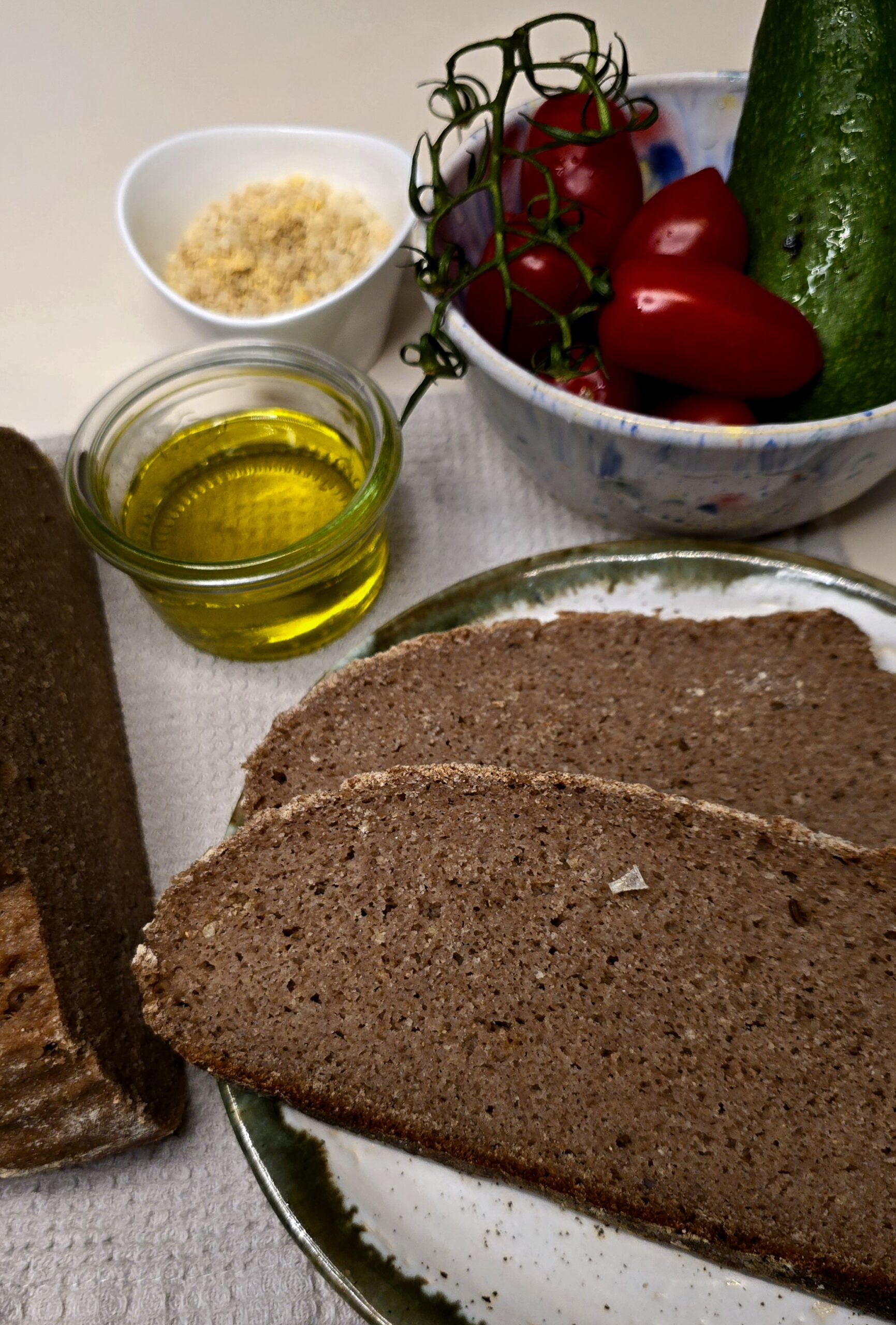
Many gluten-free breads labeled as “dark” rarely resemble the rye bread I grew up with. When I had to give up gluten beacuse of digestion issues, I discovered that almost everything else could be replaced — except rye bread.
I have come to believe I am not alone in that feeling. For those of us who grew up in places where dark, fermented rye has been the bread on the table for generations, removing it from our diet can feel like losing something familiar and grounding.
The color, the taste, the smell when you slice it… When I couldn’t find the gluten-free bread I was missing, I decided to start creating it myself. I spent couple of years testing and adjusting in my own kitchen, trying to recreate that experience without gluten.
The gluten-free sourdough bread formulas you’ll find here are the outcome of my own need, curiosity, and persistence to make it work.
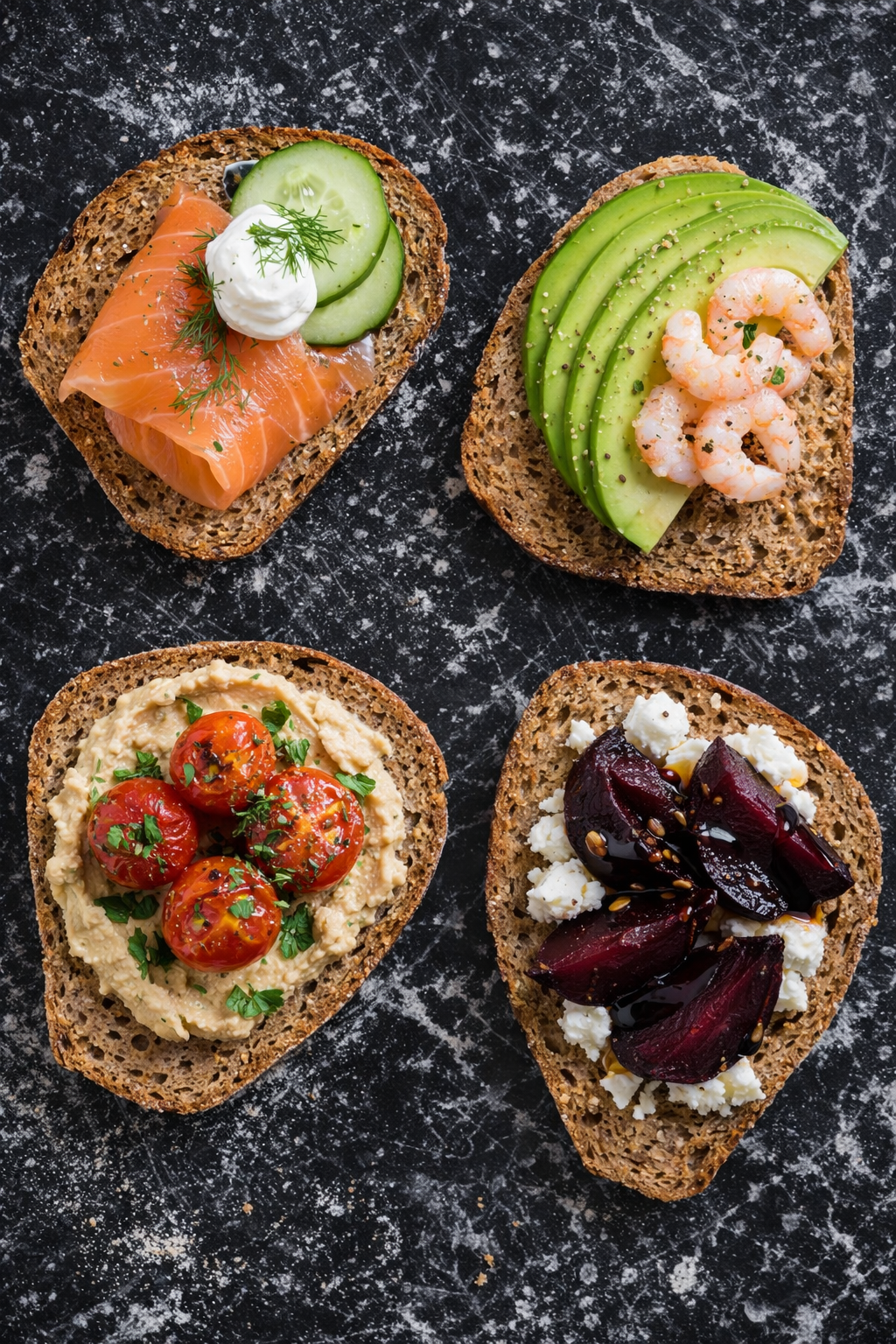
Crafted from Personal Need
I didn’t set out to create a “product.” I was simply trying to make a bread I missed. I tested, failed, adjusted, baked again. Some loaves were too pale. Some too acidic. Some tasted almost right — but not quite. I kept going. My husband tasted every version. And then one day, I handed him a slice of warm gluten-free sourdough bread straight from the oven. He took a bite and paused. “Wait… what is this? This isn’t gluten-free bread.” That was the moment I knew something had shifted.
After that, I began sharing my gluten-free sourdough bread more widely — first with family and friends, then with people I invited to small workshops. Many were skeptical when I said it resembled traditional rye. But once they tasted it, the conversation changed.
And quietly, I understood that what had started a personal solution become something worth sharing.
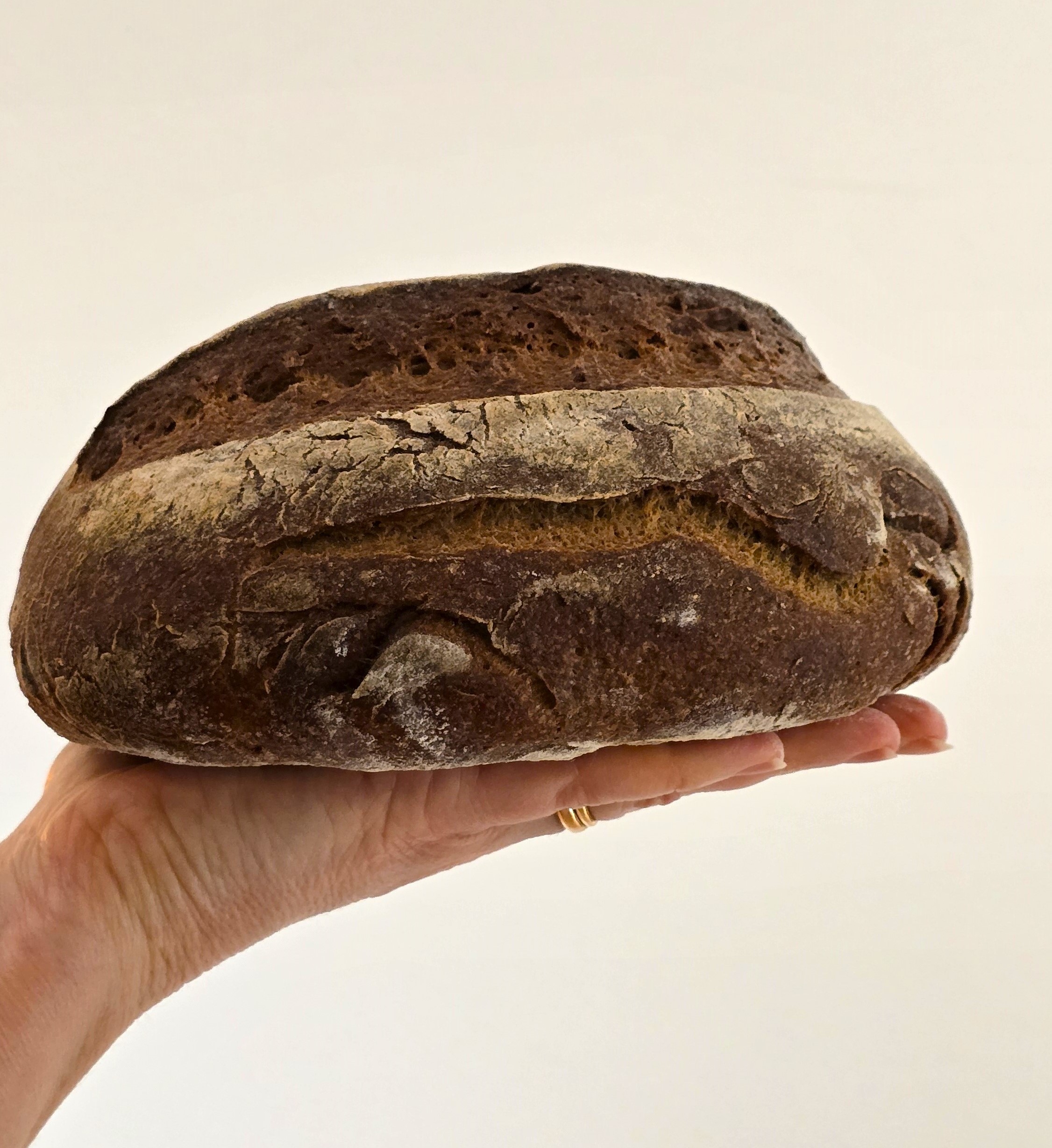
Why this method is different
A Whole Approach
Gluten-free sourdough bread development often begins with one goal: removing gluten. Nutritional quality becomes secondary — although the field is constantly improving. As a Nutritional Therapist, I wanted something different. Not only a rye-style experience in flavor and structure, but bread that could stand as real food. Instead of relying predominantly on refined starches, my gluten-free sourdough bread formulas integrate fibre-rich flours, seed components and protein-supporting ingredients.
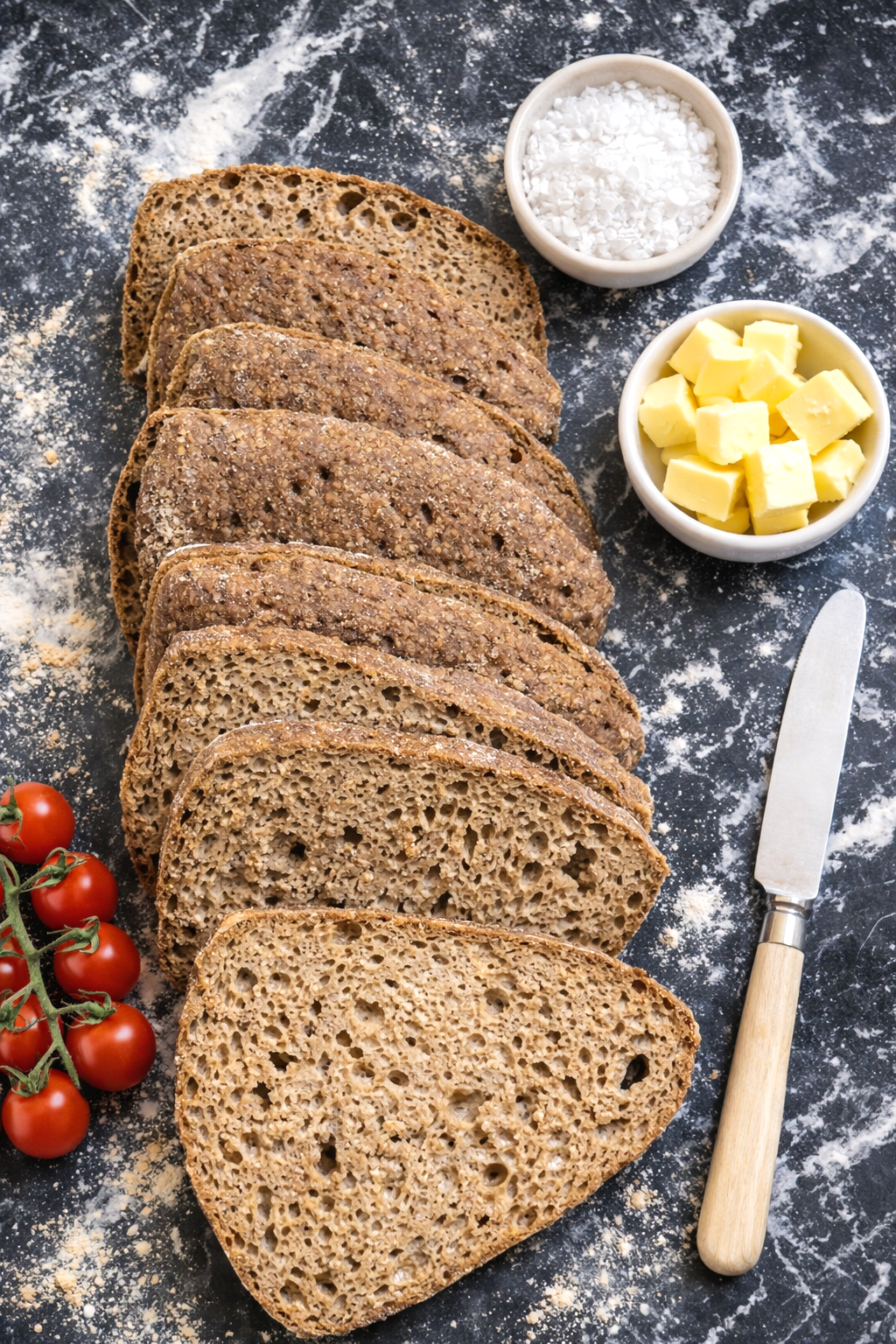
What used to be one or two grains in my daily bread became five or more — carefully balanced to support both structure and nourishment. This is not just gluten-free bread. It is whole, considered, everyday food – bread you can eat in the morning, slice in the afternoon, or place beside a warm bowl of soup.
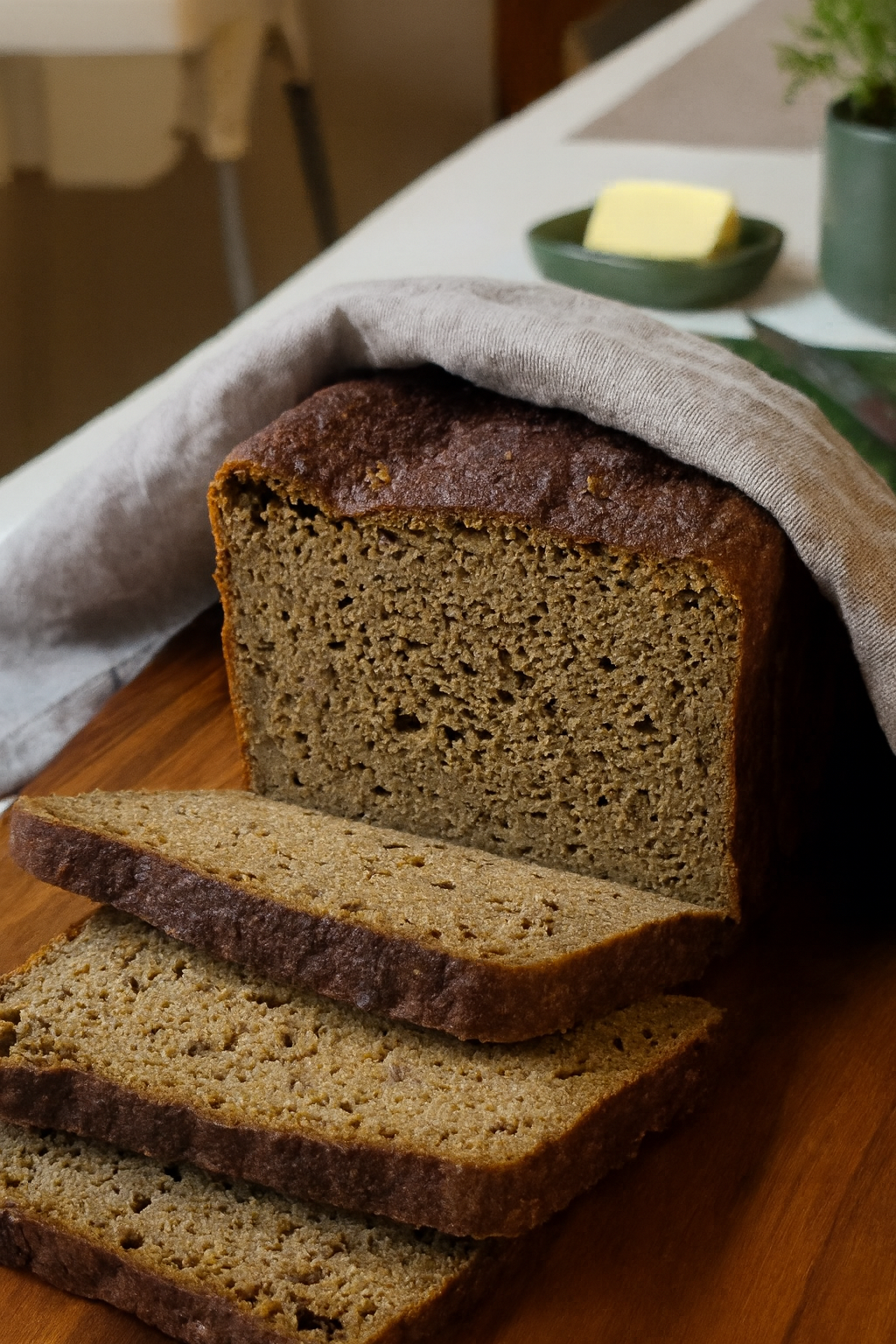
A short Personal note
What I came to understand
Rye bread is often mystified — as if its character could exist in one grain alone. But fermentation traditions exist far beyond rye. In parts of Africa, deeply fermented breads are made from teff — naturally darker, earthy, complex. Buckwheat flour carries similar depth of colour. The darkness or taste we associate with rye is not inherent to the grain itself. It is shaped by malts and by fermentation. And if those elements create the character — then they can be rebuilt. If that is something you’ve been searching for too, I hope this will serve you well.