
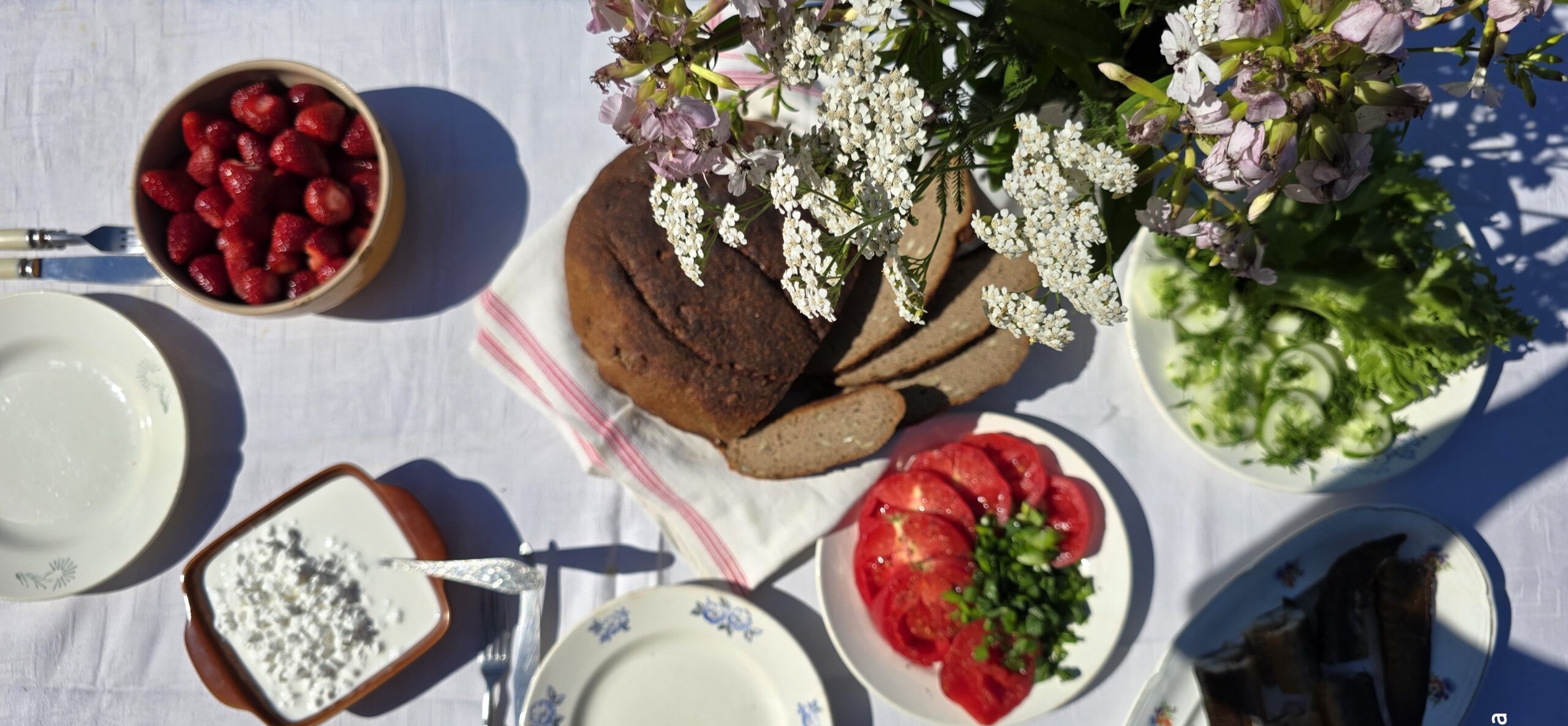
Build a Strong Gluten-Free Sourdough Starter
Free beginner guide for anyone tired of confusing advice or who simply hasn´t dared to start yet
- Learn how to start and feed your starter properly
- Know exactly when it is ready to bake with
- Learn the warning signs that mean it’s time to start your sourdough starter again from scratch
- Bake your first gluten-free sourdough bread
Why learn from me?
I built my gluten-free sourdough starter from scratch and, two years later, I feel I truly understand its character. Gluten-free sourdough starter behaves differently from wheat sourdough starter, and many beginners struggle to keep their starter alive. I bake in Estonia – a small northern country with a cool and humid climate where warm days are short and kitchens are rarely perfect for fermentation. Yet even here I have managed to keep my gluten-free sourdough starter alive, revive it after it seemed almost lifeless, and bake rustic one-kilogram loaves. If a gluten-free sourdough starter can thrive here, it can thrive in your kitchen too. I’m not here to show perfect blog conditions, but how gluten-free sourdough starter really works in an everyday kitchen.
Get Instant Access to the Free Gluten-Free Sourdough Starter Guide
The guide reflects the same process you see in the video below — real, unedited, and from a home kitchen. Inside the guide, you’ll find clear, step-by-step instructions on what you need for the process to work. You’ll also learn how to recognize the signs of a healthy starter, what can go wrong, and when it may be better to discard it and start fresh.The first loaf was made with a very young starter, and the photo in the guide is my actual first bread — not perfect, a bit like a light rye loaf, but a real and honest beginning.
Enter your email below and I´ll send the guide straight to your inbox
You’ll also be among the first to know about upcoming releases, updates, and special offers.

A Quick Look at How It Works in Practice
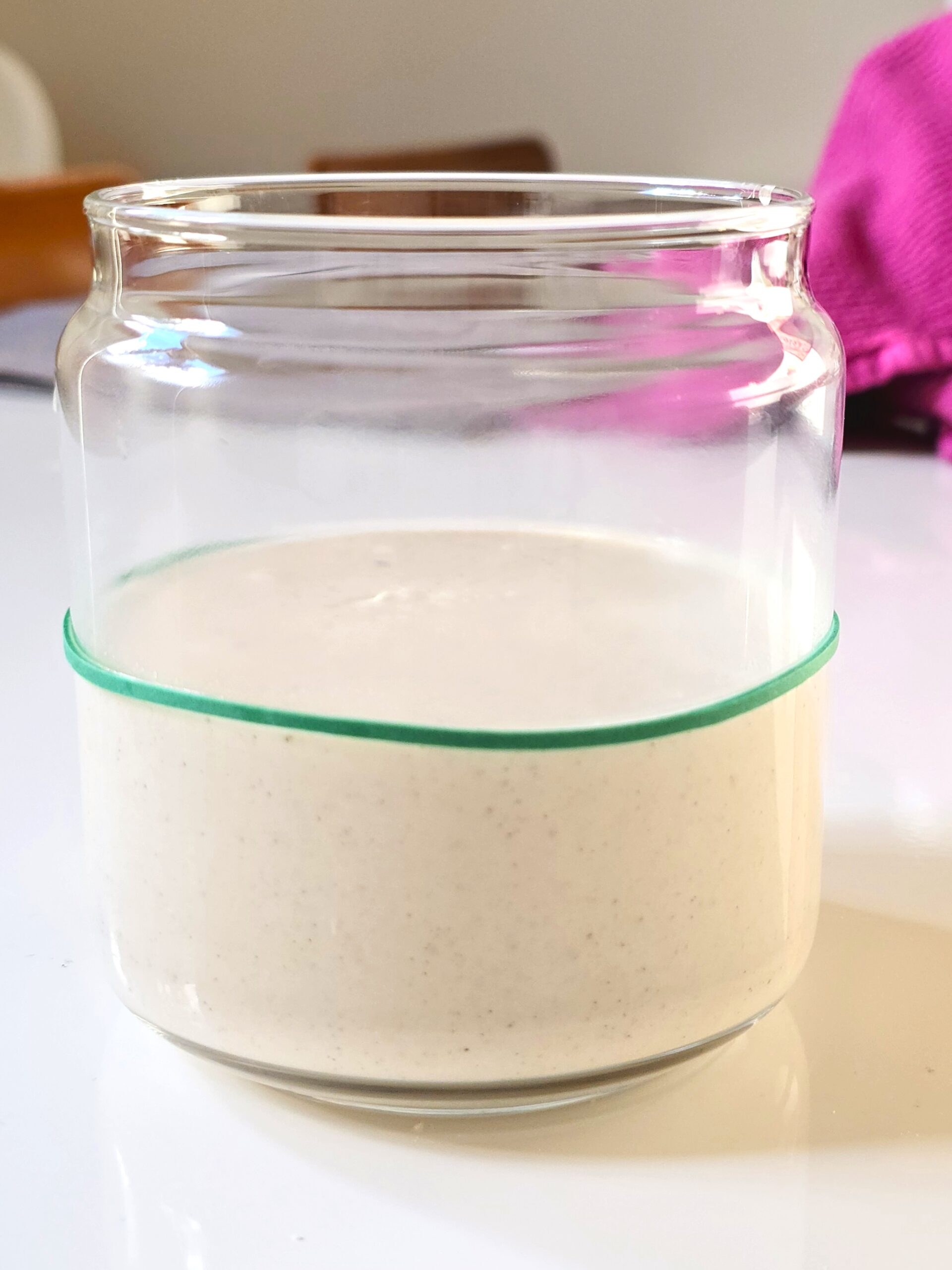
Freshly fed gluten-free sourdough starter — before it becomes active and bubbly.
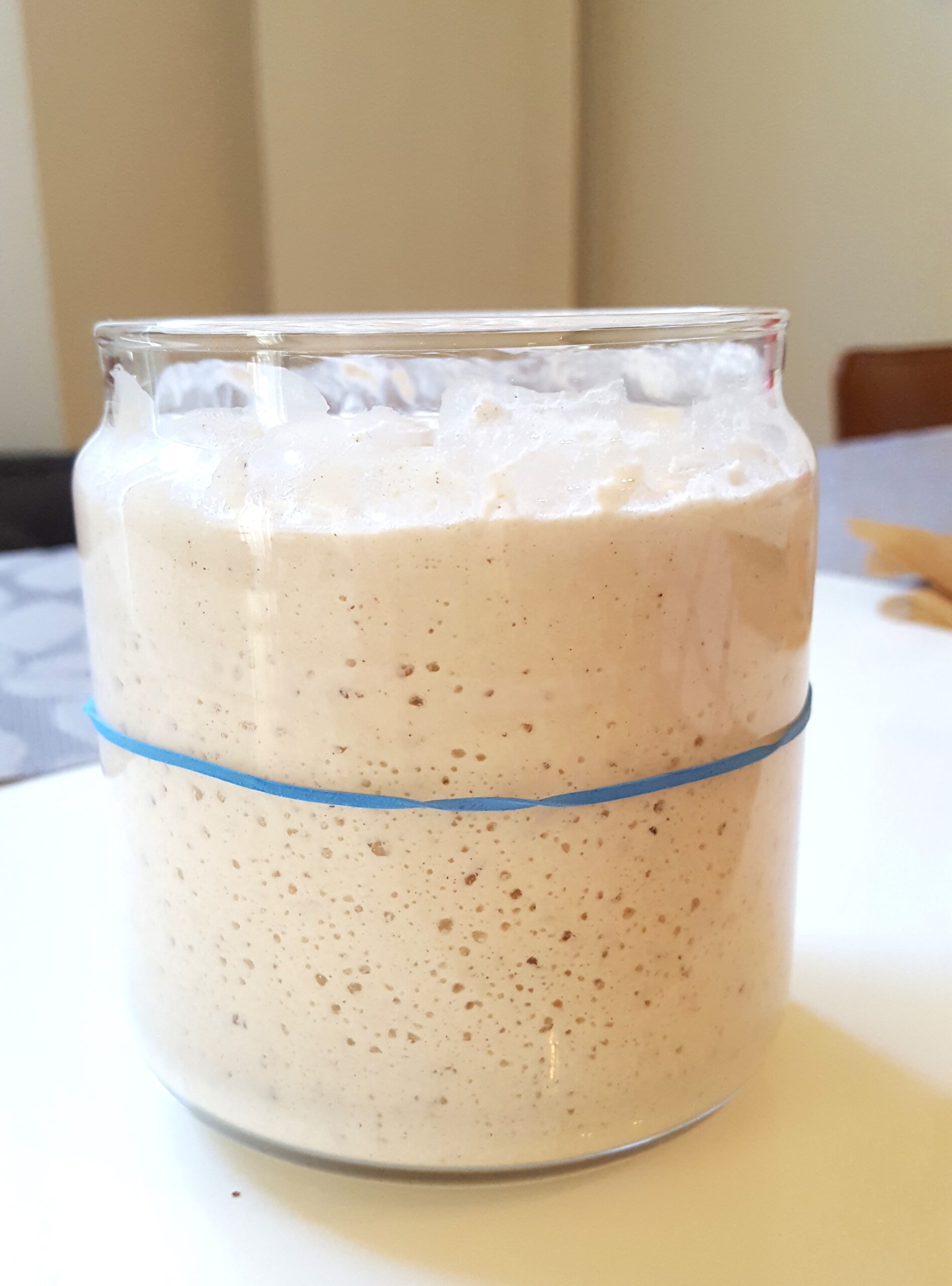
4–6 hours after feeding: the starter is active, bubbly, and ready to use.
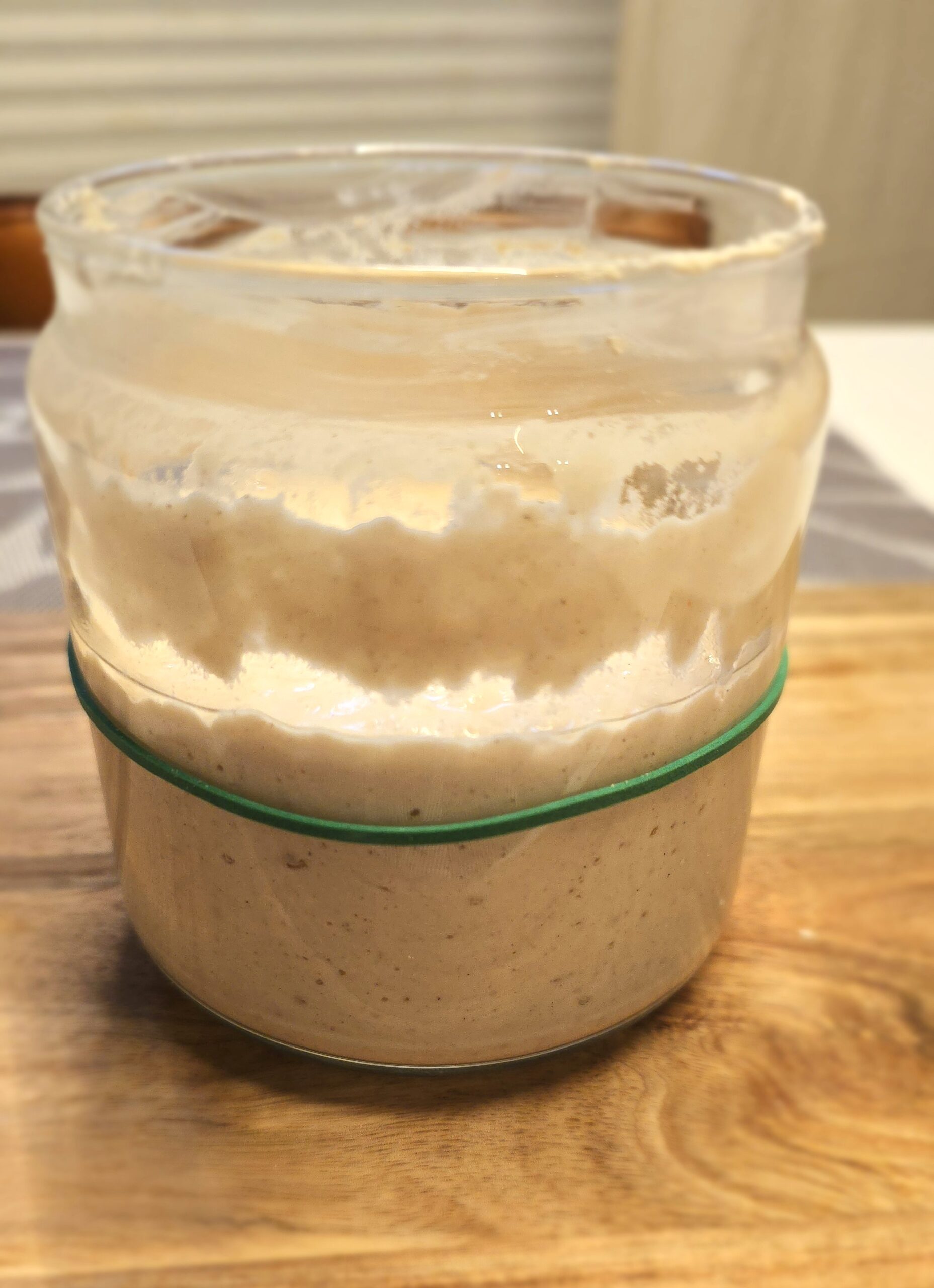
The starter has collapsed and needs to be fed again before using.